
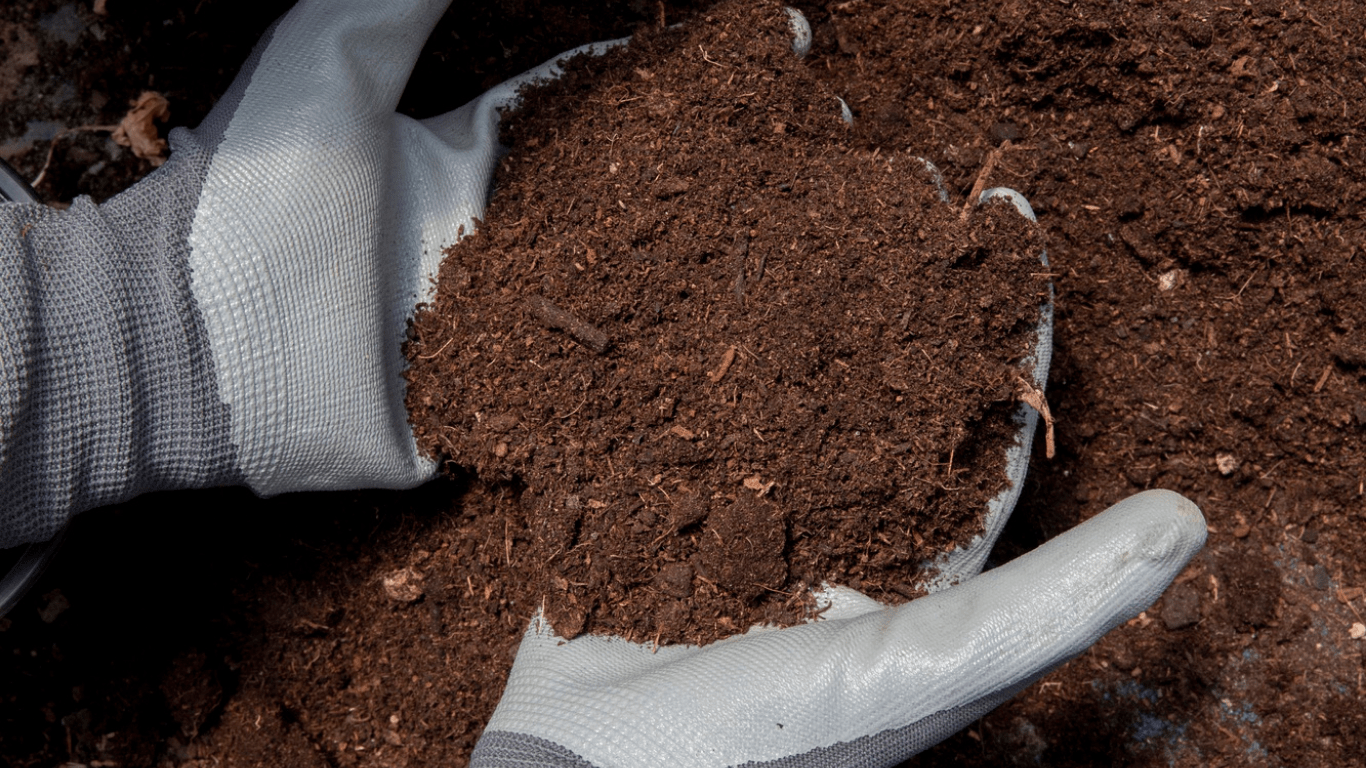
Before a single brick is laid, the most important work happens below the surface. At Noah Infrastructures, we believe that the strength of every building begins with understanding the soil it stands on. The importance of soil testing in construction is often underestimated, yet it is one of the most crucial steps in ensuring safety, stability, and long-term performance.
Soil is not the same everywhere—its properties change from one site to another, and even within the same plot. These differences can significantly influence how the foundation behaves over time. That is why soil testing becomes the first scientific step in pre-construction planning.
To learn more about the exact tests and procedures, you can also read our detailed guide on Soil Testing Services available on our website.
1. What Is Soil Testing in Construction?
Soil testing is a geotechnical investigation process that evaluates the physical, chemical, and mechanical characteristics of soil. It helps determine whether the land is suitable for supporting structures such as homes, commercial buildings, factories, warehouses, and infrastructure projects.
The importance of soil testing in construction lies in the data it provides—moisture content, density, load-bearing capacity, shrinkage, permeability, and even chemical composition. These insights enable engineers to design safe foundations and identify potential risks early.
Without this step, construction becomes guesswork, increasing the likelihood of structural failures. For any reputable construction company in Chennai, soil testing is not just necessary—it is a mandatory part of responsible project execution.
2. Importance of Soil Testing in Construction for Foundation Design
The foundation is the backbone of any structure, and soil testing dictates how that foundation should be built. The importance of soil testing in construction can be clearly seen in how engineers decide:
- The depth of the foundation
- Whether to use shallow footings, under-reamed piles, raft foundations, or deep piles
- If the soil needs reinforcement or stabilization
- How the structure will behave under varying loads
For example, clayey soil expands when wet and shrinks when dry. Sandy soil drains quickly but may not support heavy loads. Rocky soil may be stable but uneven. Soil testing helps identify the exact soil type and design the most appropriate foundation.
This step reduces future issues such as cracks, tilting, uneven settlement, and water seepage—common problems when soil conditions are ignored.

3. Key Soil Properties That Showcase the Importance of Soil Testing in Construction
Soil testing examines several critical parameters that impact construction quality:
- Load-Bearing Capacity (SBC): Determines how much weight the soil can safely support. Low SBC may require pile foundations or soil strengthening.
- Moisture Content: Helps identify swelling or shrinkage patterns, especially in clay-rich soils.
- Shear Strength: Indicates the soil’s resistance to sliding or collapsing under pressure.
- Permeability: Shows how easily water flows through soil, affecting drainage and waterproofing plans.
- Plasticity Index: Reveals how flexible or rigid soil becomes when wet, crucial for clay-dominant sites.
- Chemical Composition: Detects harmful salts, acids, or contaminants that can corrode foundations or affect concrete performance.
Each property reinforces the importance of soil testing in construction, helping engineers design systems that match real ground behavior rather than assumptions.
4. How Soil Testing Prevents Structural Failures
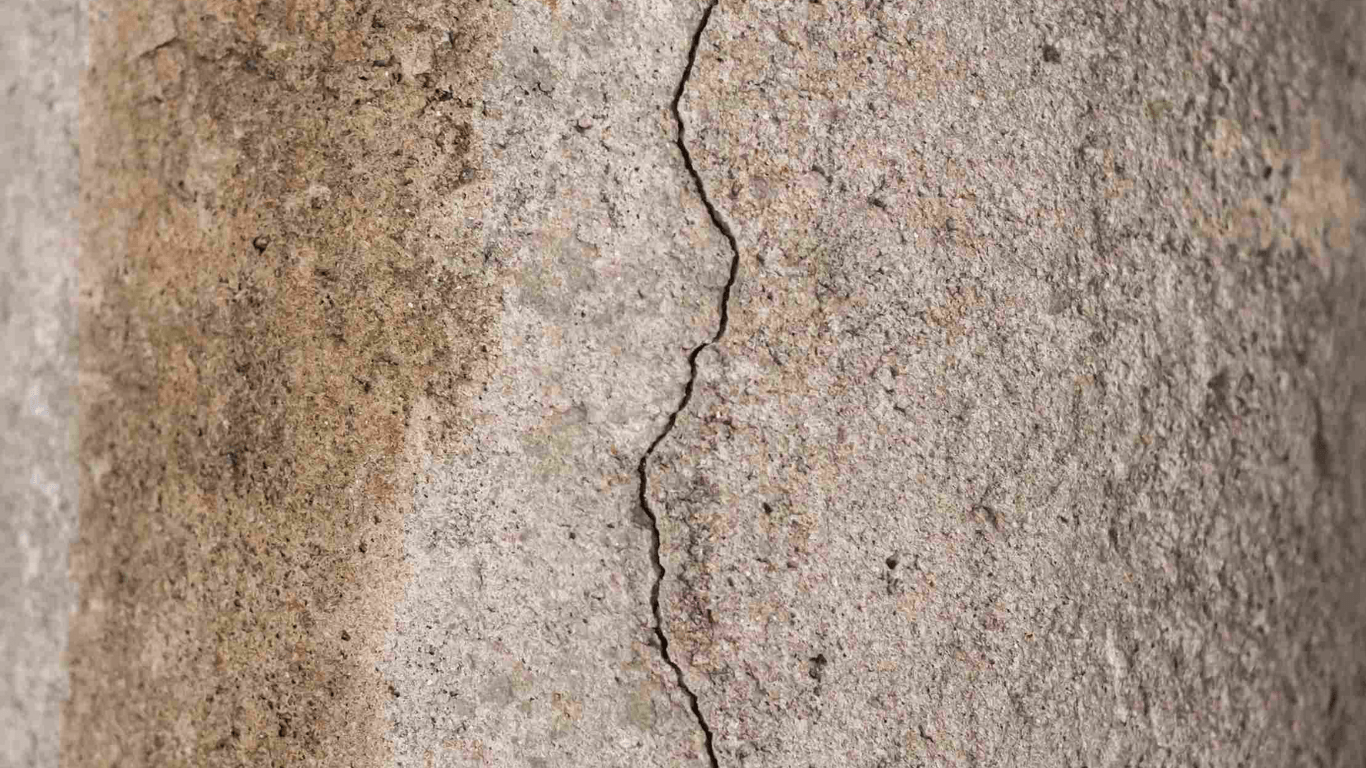
Many construction failures originate not from poor materials but from poorly understood soil conditions. The importance of soil testing in construction becomes clear when we look at the kinds of issues it prevents:
- Foundation sinking or subsidence
- Differential settlement (one part of the building settling more than another)
- Cracks in walls, floors, and columns
- Waterlogging and dampness
- Structural imbalance during heavy rains
- Basement flooding
- Soil erosion beneath the foundation
By identifying weaknesses early, soil testing allows engineers to apply corrective methods like soil compaction, replacement, stabilization, or the installation of deeper foundations. This proactive approach saves money, prevents delays, and ensures the structure remains stable for decades.
5. Foundation Decisions Based on the Importance of Soil Testing in Construction
Foundation design depends entirely on soil test results. Some decisions influenced by soil testing include:
- Whether to use concrete footings, raft foundations, or pile foundations
- The thickness of the PCC bed
- The reinforcement needed
- The depth of excavation
- Requirements for waterproofing and drainage
- The feasibility of basement construction
- Whether dewatering systems are required
For large buildings, industrial structures, and infrastructure projects, such decisions are critical. This showcases the true importance of soil testing in construction, ensuring the foundation supports the load safely and effectively.
6. Identifying Hidden Risks Beneath the Surface
The ground may appear stable, but hidden dangers often lie beneath. Soil testing uncovers these risks, such as:
- Loose and filled soil
- High groundwater table
- Organic materials that decay over time
- Expansive clay that swells and shrinks
- Salinity or chemical contamination
- Rocky patches and uneven strata
- Low-density soil prone to collapse
By identifying all of these factors, engineers can develop solutions that guarantee site safety. This reinforces the importance of soil testing in construction for risk-free building development.
7. Long-Term Benefits That Prove the Importance of Soil Testing in Construction
The advantages of soil testing are long-lasting and directly influence the life of the structure:
- Stronger and safer foundation
- Higher building lifespan
- Improved structural performance
- Reduced maintenance costs
- Fewer construction delays
- Better drainage and moisture control
- Protection against environmental changes
- Long-term stability even under heavy load
These benefits highlight the importance of soil testing in construction, particularly for projects that must perform reliably for decades.

8. Why Noah Infrastructures Prioritises Soil Testing
At Noah Infrastructures, we approach every project with engineering precision. We prioritize soil testing because it ensures:
- Accurate foundation design
- Reduced construction risks
- Compliance with IS standards
- Better project planning
- Stronger structures
- Cost-efficient execution
Our goal is to deliver buildings that are safe, durable, and engineered to perfection—and soil testing is the foundation of that commitment.
9. Importance of Soil Testing in Construction for Compliance & Approvals
Indian Standard Codes (IS 2720 series) require soil testing for all major construction projects. This requirement highlights the importance of soil testing in construction for:
- Structural safety
- Legal approvals
- Project documentation
- Building stability
- Quality assurance
Compliance ensures smooth project execution and eliminates risk during inspections or audits.
The Importance of Soil testing in Construction - The First Step Toward Safe Construction
At Noah Infrastructures, one of the best building contractors in Chennai, we understand that soil testing is a critical first step in ensuring the strength and safety of your building. That’s why we undertake thorough soil testing for every construction project we handle. Our commitment to accurate analysis and informed planning helps us deliver the best structural output, long-lasting durability, and complete peace of mind for our clients. With a team of experienced engineers and advanced testing methods, we ensure every project begins on a solid foundation. We believe that strong foundations create strong futures—and we build both with integrity and excellence.
We, at Noah Infrastructures, soil testing is not just a technical step—it is a promise of safety, quality, and long-term durability for every structure we build.


